
What is dehydration, and why can it progress so quickly?
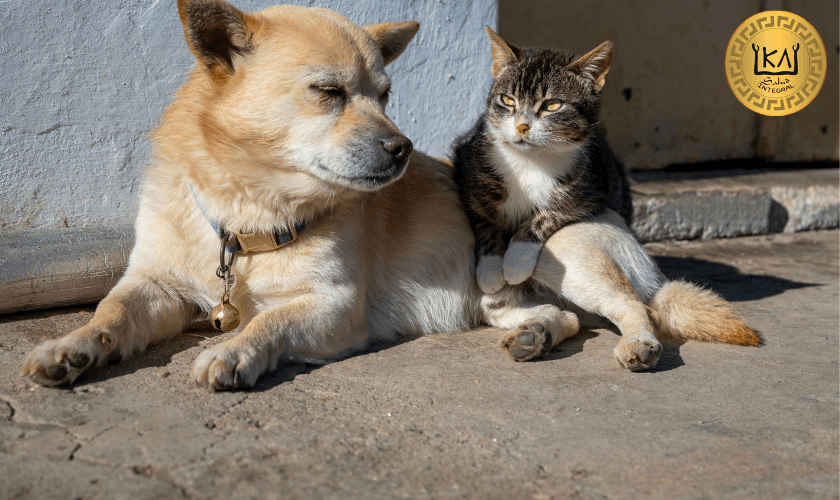
Recognising the early signs of dehydration is especially important in hot weather, for older pets, puppies and kittens, pets that are vomiting or have diarrhoea, and cats, who tend to drink little water.
In this article, we look at the early signs of dehydration that are often missed, how to tell them apart from ordinary tiredness, when you can keep monitoring your pet at home and when you should take your pet to the vet straight away.
Dehydration happens when the body loses more water than it takes in. It is not only a loss of fluid: dehydration also affects the balance of the essential minerals that keep the body working normally.
It can have many causes: hot weather, fever, vomiting, diarrhoea, drinking too little, overexertion, kidney disease, digestive problems or not eating.
Cats need particular attention here: they tend to drink less water directly than many other animals.
Water is essential to almost every function of the body: it regulates body temperature, carries nutrients and keeps the organs working.
So when the body loses water and it is not replaced in time, these functions can be seriously affected. If dehydration continues or gets worse, your pet can develop dangerous complications, even life-threatening ones.
9 early signs of dehydration to watch for
1. Gums that are not as moist as usual
One quick check is to gently touch your pet's gums.
Normal gums are moist and feel slightly slippery to the touch. If the gums start to feel sticky or drier than usual, this can be an early sign of dehydration.
2. Going to the water bowl but drinking very little
Many people think that if their pet goes to the water bowl on its own, it must be drinking enough. In reality, some dogs and cats go to the bowl, sniff it, lick it once or twice and walk away.
This behaviour can be linked to discomfort, nausea, feeling hot, or a lack of water that the body has not yet shown clearly.
If you notice that your pet often goes to the water bowl but drinks very little, watch for other changes in its daily behaviour.
3. Wanting to move less, but not yet seeming ill
Look out for very small changes such as: playing less, being less enthusiastic than usual, moving more slowly, wanting to lie in a cool place, and so on.
This drop in activity can be the body's way of saving energy when it starts to run short of water.
4. Passing less urine, or darker urine
Dark urine, or a smaller amount of urine, is an important sign.
In dogs, you can usually notice this more easily on walks. In cats, you may see that the clumps of urine in the litter tray are smaller than usual.
5. Eyes that look less bright
In the early stage of dehydration, some dogs and cats simply have a less lively look in their eyes, seem lacking in energy or look more tired than usual.
This can be a fairly subjective sign, but people who live with their pets every day are usually very sensitive to small changes like this.
6. Faster breathing in hot weather
In dogs, panting more than usual can be a sign that the body is overheating and dehydrated, especially when your dog has not just been exercising hard.
In cats, fast breathing needs even more attention, because it is not common in cats. If your cat is breathing fast, or has difficulty breathing, take it to the vet straight away rather than waiting to see whether it improves by itself.
7. Less elastic skin
You may have heard of the skin elasticity test used to spot dehydration.
To do it, gently lift a fold of skin at the scruff or the side of the neck, then watch whether the skin quickly returns to its original position.
If the skin takes longer than usual to return to its original state, this can be a sign of dehydration.
However, this method needs to be assessed with care. In older pets, pets that are very thin or pets with certain skin problems, skin elasticity can change even when the pet is not dehydrated.
So it is best to combine it with other signs and to assess your pet's overall condition.
8. Eating less, or no longer being keen on food
In the early stage of dehydration, some pets show what many owners describe as: “They seem to want to eat, but they hardly eat anything.”
On hot days, or when your pet has mild digestive discomfort, it may not want to eat much.
If you notice a change in your pet's appetite, watch how much it drinks, its mood and its other signs.
9. In cats: grooming less
A cat that licks its coat less, or whose coat becomes rough and untidy, may have a health problem, including dehydration.
This is not a sign specific to dehydration, but if it appears together with other changes, you should not ignore it.
Which pets are at higher risk of dehydration?
Not all dogs and cats are at the same risk of dehydration. Some groups need closer monitoring:
• Puppies and kittens: Their bodies hold smaller water reserves, so dehydration can progress quickly.
• Older dogs and cats: They may drink less water, or have other conditions that affect the body's water balance.
• Cats: They are usually less likely to drink water on their own than many other animals.
• Pets that are vomiting or have diarrhoea: The body can lose water very quickly.
• Pets with kidney disease or a fever: They need closer monitoring of their water and electrolyte balance.
• Very hot, sunny days: The risk of dehydration goes up even when your pet has no existing illness.
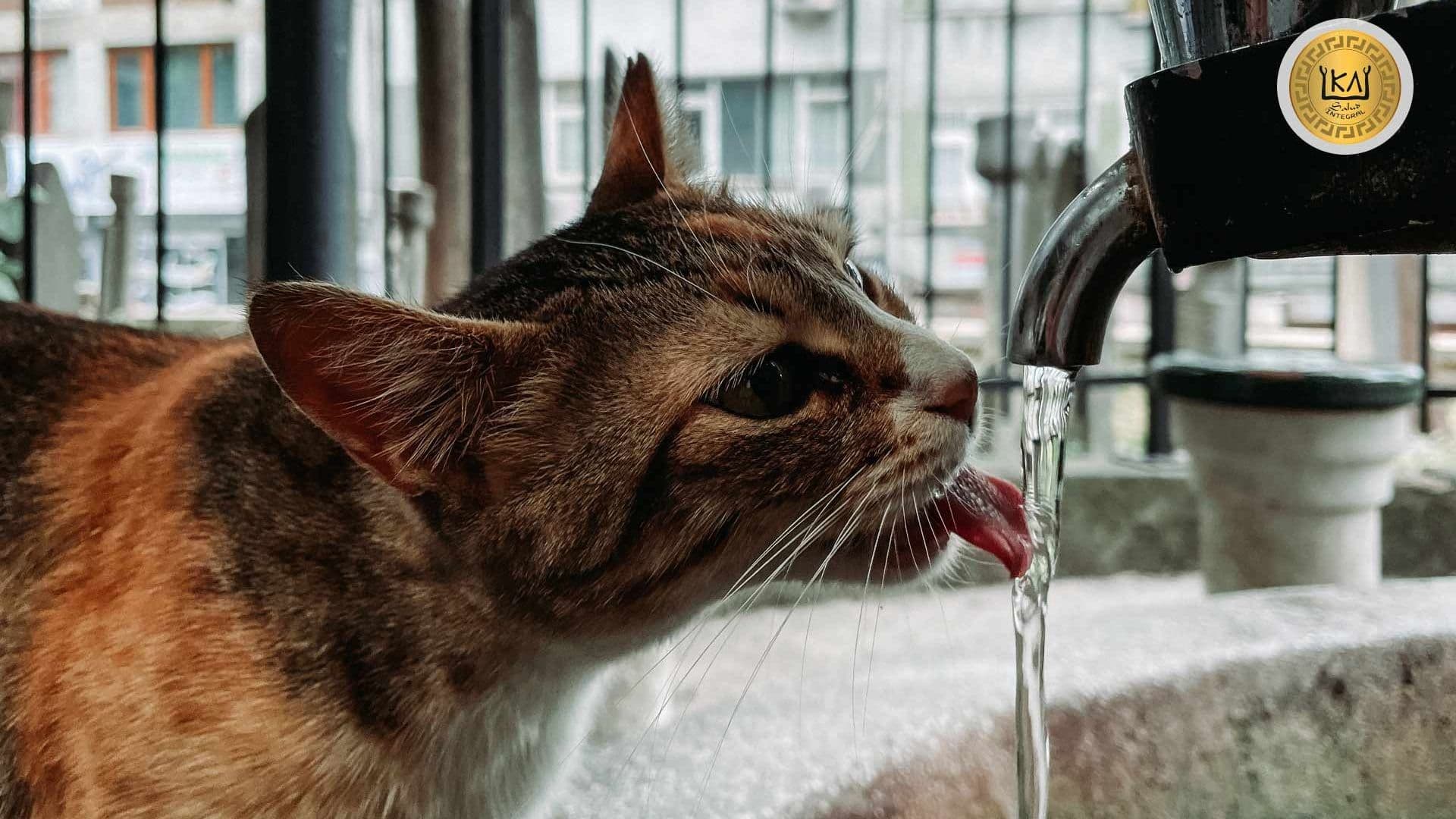
Why is getting enough water especially important for cats?
Cats tend to drink little water directly, partly because of their biology, inherited from ancestors that lived in dry environments, where wild cats got most of their water from their prey.
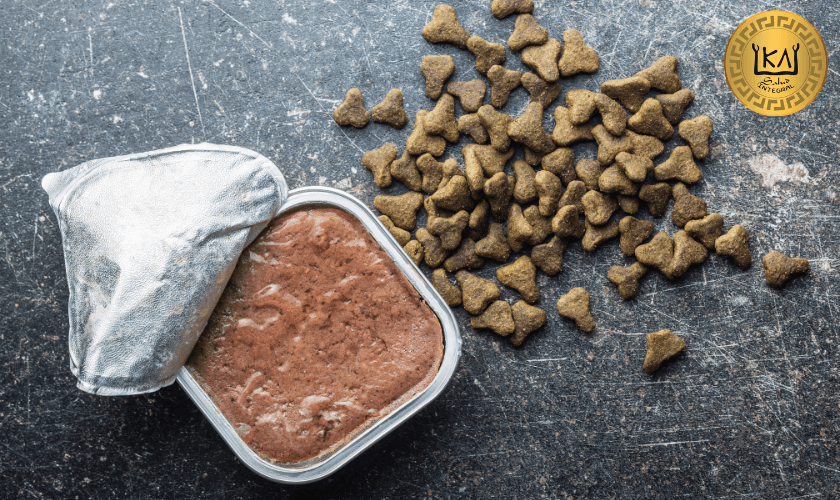
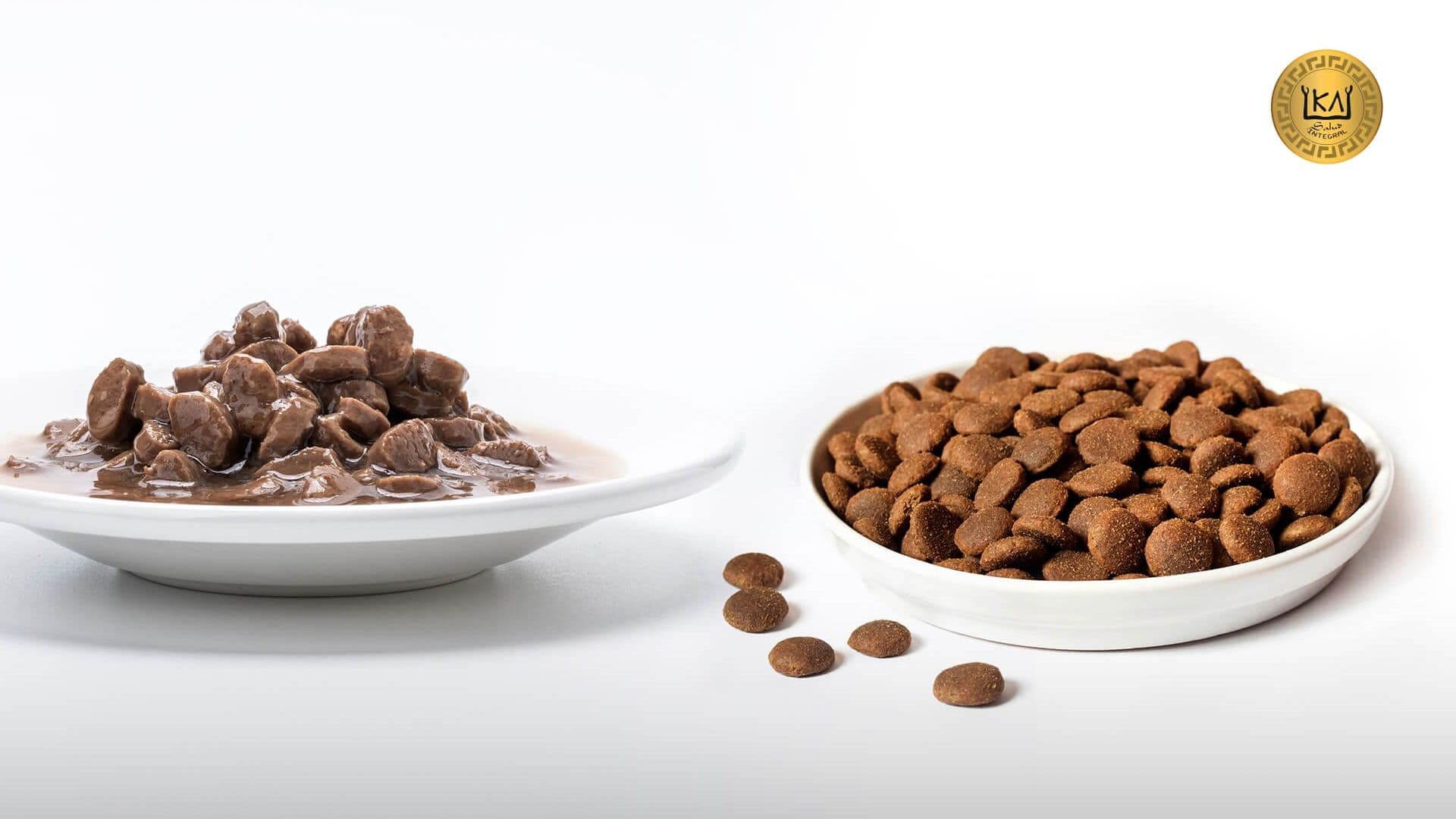
In modern life, many cats eat mainly dry kibble, so if a cat does not drink water regularly, the total amount of water it takes in may not be enough.
You can read more about adding water to your cat's diet in the article “Should cats eat wet food and kibble every day?” at feralka.vn/en/stories/should-cats-eat-wet-and-dry-food-every-day
What should you do if you suspect mild dehydration?
If your pet is still alert and has no serious signs, you can start by making sure it always has access to clean, cool water, and by monitoring it closely.
Check whether the room is too hot, whether your pet is stressed, has digestive problems or is refusing wet food/kibble.
If you see several unusual signs at the same time, such as tiredness, dry gums, passing little urine, and vomiting or diarrhoea, do not wait to “see if your pet is better tomorrow”. It is best to contact a vet as soon as possible.
Note: Do not force your pet to drink with a syringe if it is weak, nauseous or has difficulty swallowing, because there is a risk of water going into the airways. True dehydration may need a vet to give fluids by a suitable method.
When should you take your pet to the vet straight away?
Take your pet to be seen as soon as possible if you notice any of the following signs:
• Constant vomiting or diarrhoea.
• Clear weakness.
• Not drinking for several hours.
• Abnormal breathing.
• Deeply sunken eyes.
• Very dry or pale gums.
• Disorientation, slow responses or signs of confusion.
• You suspect your pet has heatstroke.
For puppies, kittens, older pets or pets with an underlying illness, you should be even less willing to delay when you notice unusual signs.
In particular, if your pet shows signs of heatstroke, such as heavy panting, a lot of drooling, weakness, vomiting or disorientation, treat it as a veterinary emergency. Do not wait for your pet to recover by itself.
There is growing interest in spotting health problems early and in treating hydration as an essential part of overall health care, not just something to think about in an emergency.
This makes complete sense: the earlier a problem is found, the easier it usually is to deal with.
In the next article, we will look at simple ways to prevent dehydration in your pets. Stay tuned!