
Should you alternate kibble and wet food?
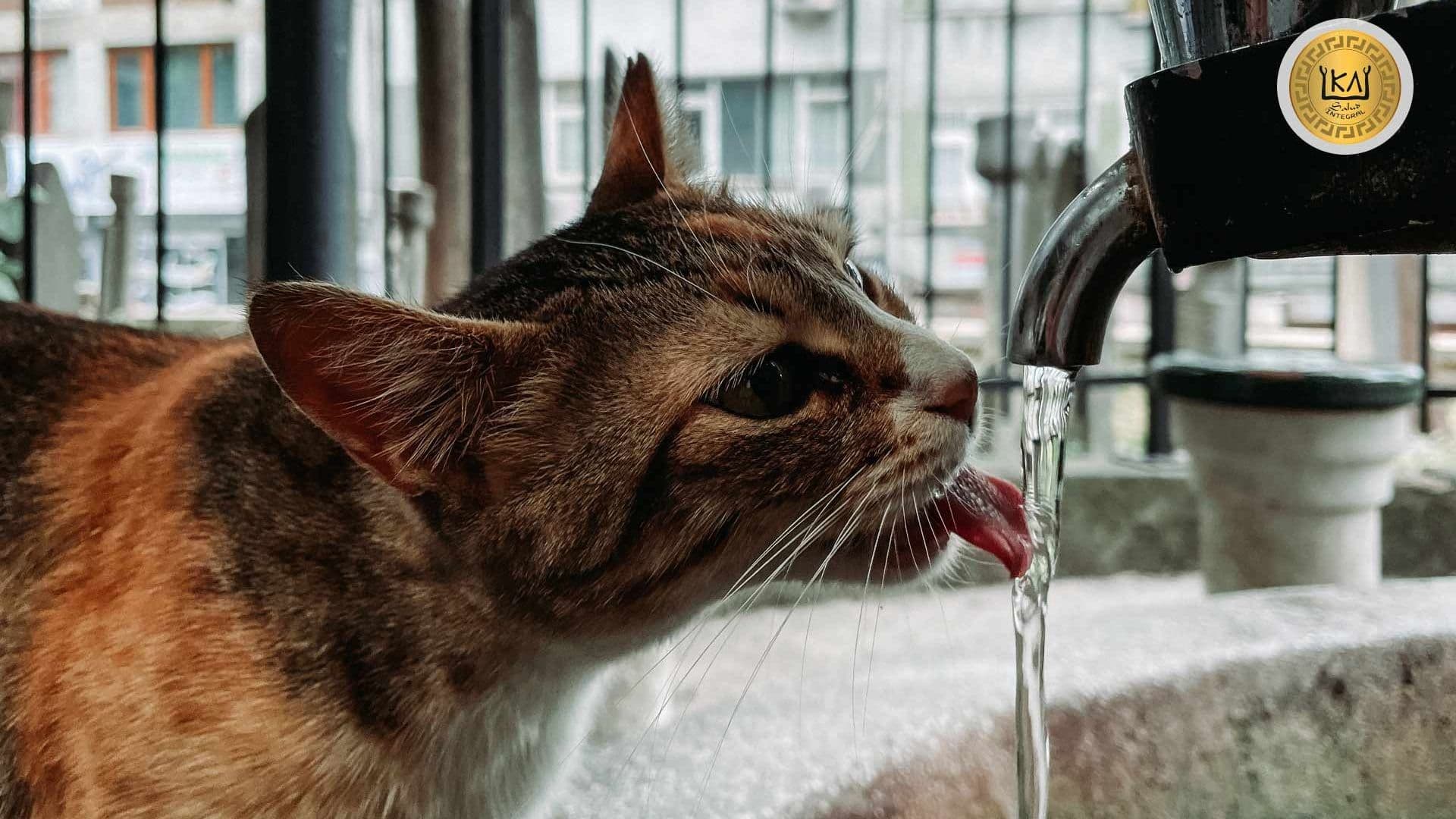
Cats tend to drink less water than many other animals. So instead of relying on your cat to drink enough on their own, we can actively add water through their food.
So should you feed your cat kibble and wet food alternately every day? How should you combine them? And what should you watch for so that your cat enjoys their food while keeping a healthy weight and stable health? Let's find out!
The quick answer is yes, you should feed your cat a combination of wet food and kibble every day!
However, it should not stop at “mixing the two so they don't get bored”. Wet food should make up a significant part of the daily meals, not just an occasional extra or a side dish.
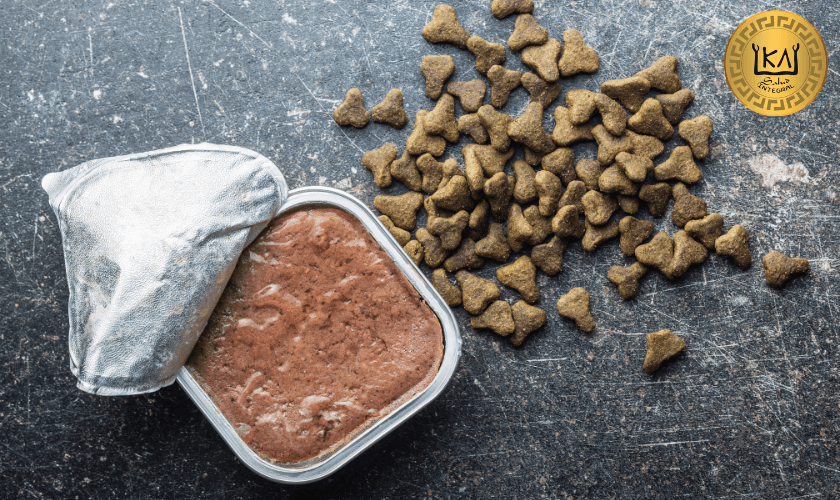
This combination lets you make use of the advantages of both types of food, especially the extra water that wet food provides.
Why add wet food to your cat's diet?
In the wild, cats get most of the water they need from the fresh raw meat of their prey. That is why cats tend to drink less water directly than many other animals.
When a cat moves to a diet that is mostly kibble, the amount of water they get from food drops considerably. This is especially worth noting if your cat also does not have the habit of drinking much water.
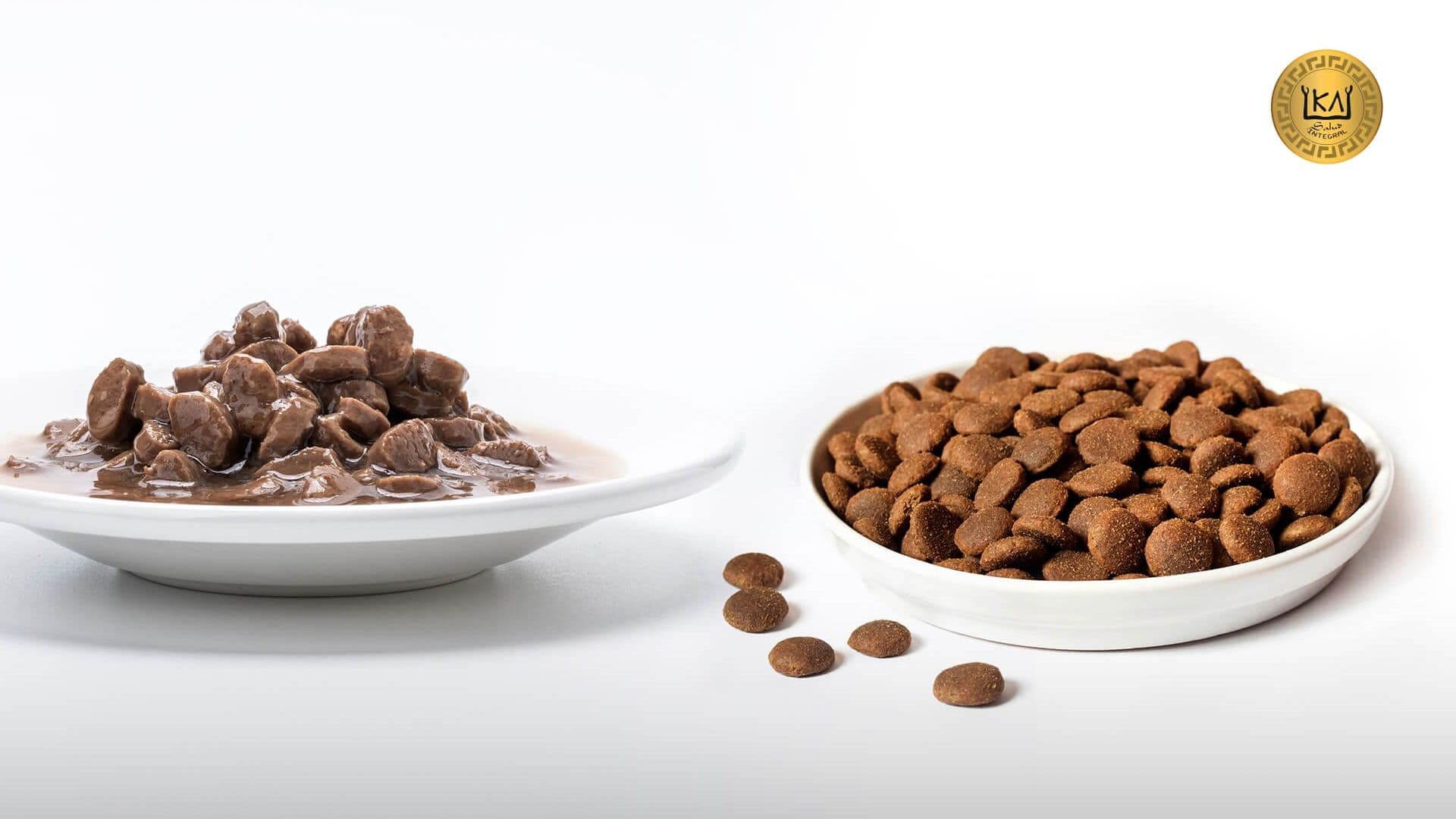
Kibble usually contains only about 6–10% moisture, while wet food usually contains about 70–80%.
If your cat eats only dry kibble and drinks little water:
• Their body lacks water
• Their urine becomes concentrated
• In the long run, this puts pressure on the urinary system (kidneys, bladder)
Adding wet food to the diet helps to:
• Increase the amount of water taken in through food.
• Dilute the urine, supporting urinary tract health and kidney function.
• Help maintain the body's balance.
• Come closer to the natural way cats eat.
This is a notable benefit for cats who are reluctant to drink or who are at risk of urinary problems.
Note: Wet food helps add water but cannot completely replace drinking water. Your cat still needs access to clean water at all times.
In addition, alternating kibble and wet food gives your cat more variety in texture and flavour, which helps them enjoy their meals more, especially fussy eaters.
Which cats should especially have wet food added?
Although many cats can benefit from alternating kibble and wet food, some groups need more attention:
• Cats who drink little water
• Cats with urinary problems: A higher water content in the diet can help increase the amount of urine and dilute it.
• Cats prone to being overweight
• Very fussy cats
For cats with kidney, liver or pancreatic disease or digestive conditions, the diet needs to be chosen according to their specific condition. Do not change their diet or add wet food on your own just because you think wet food is always better. Talk to your vet to choose a formula that suits your cat's treatment needs.
How should you combine them?
1. The right ratio of kibble to wet food
If you cannot feed your cat 100% wet food, you can perfectly well combine both types.
Some reference ratios:
• 30% wet food – 70% kibble.
• 50% wet food – 50% kibble.
• 60–70% wet food – 40–30% kibble.
These ratios should be calculated by calories (energy), not by weight or volume of food.
For example, 50g of wet food and 50g of kibble does not mean each provides 50% of the energy, because kibble usually contains considerably more calories for the same weight.
You should also note that both the kibble and the wet food used as the main meals must be complete and nutritionally balanced foods.
In upcoming articles, we will explain in more detail how to read ingredient labels and assess the quality of kibble and wet food, so you can choose what suits your cat.
A fairly common mistake: Adding wet food to the diet but keeping the same amount of kibble as before. This raises the total calories your cat takes in, sometimes without owners realising, and leads to weight gain over time.
The right way is to:
• Work out your cat's daily calorie needs.
• Divide those calories between kibble and wet food.
• Adjust the amount of kibble accordingly when you add wet food.
For example, if you add a wet food meal to the feeding schedule, reduce the kibble at the other meals so that the total energy for the day does not exceed your cat's needs.
2. Keep a steady feeding schedule
Cats like familiarity. Constantly changing mealtimes or types of food can stress your cat.
A simple schedule could be:
• wet food in the morning and at lunchtime
• kibble at dinner (because kibble takes longer to digest)
This is just an example. You can adjust it flexibly to your family's routine and your cat's habits.
What matters is to divide the portions sensibly, keep mealtimes fairly steady and make sure your cat always has clean water to drink.
3. Change things gradually
If your cat has been used to eating kibble for a long time, do not rush to change their whole diet in a single day. Changing food too suddenly can make some cats:
• refuse to eat
• get soft stools or diarrhoea
• feel uncomfortable in the tummy
Instead, start with a small amount of wet food, then increase it gradually as your cat gets used to the new food.
A few tips can help stimulate their appetite:
• gently warm the wet food to bring out the aroma (do not serve it while hot).
• add a tasty, appealing topper
If your cat refuses to eat altogether, especially an overweight cat, do not try to wait until they get hungry enough to accept the new food. Cats who go without food for too long risk serious health problems. Contact your vet if your cat will not eat after 24 hours.
4. Watch your cat's reaction and condition
After changing the diet, take time to watch whether your cat really suits the new combination.
Some things to pay attention to:
• Stools: Normal shape, consistency and frequency of toilet visits
• Does your cat eat with appetite?
• Weight and body condition: Is your cat gaining or losing weight unexpectedly?
• Energy and behaviour: Is your cat active, playing and behaving normally?
• Tolerance: Does your cat vomit, have diarrhoea or seem uncomfortable after eating?
If your cat eats steadily, has normal stools and keeps a healthy condition, these are positive signs.
On the other hand, if your cat often vomits, refuses food or has digestive problems that last, you should review the diet and take your cat for a check-up when needed.
Also, do not forget to watch how much water your cat drinks each day. Even with wet food added, you should still encourage your cat to drink and always keep clean water ready in convenient places.
5. There is no need to keep changing flavours
Many owners think they should change flavours often so that their cat does not “get bored”. However, this is not always necessary.
Some cats adapt fairly easily to different foods, but sensitive cats may:
• Become fussier.
• Refuse foods they used to enjoy.
• Have irregular digestion.
You can rotate a few flavours your cat likes (for example, every few weeks), as long as the change is done in a controlled way and all the foods suit your cat's nutritional needs.
Closing thoughts
Combining kibble and wet food is a simple way to vary your cat's diet while also increasing the amount of water they get each day.
Especially for cats who drink little, adding wet food can bring many benefits for urinary tract health and for keeping the body's water balance.
However, there is no single formula that suits every cat. Consider each cat's nutritional needs, health condition, weight and tolerance to choose the right ratio.
A good diet is not only about choosing a quality food, but also about finding the way of feeding that best suits the needs of your beloved dog or cat!