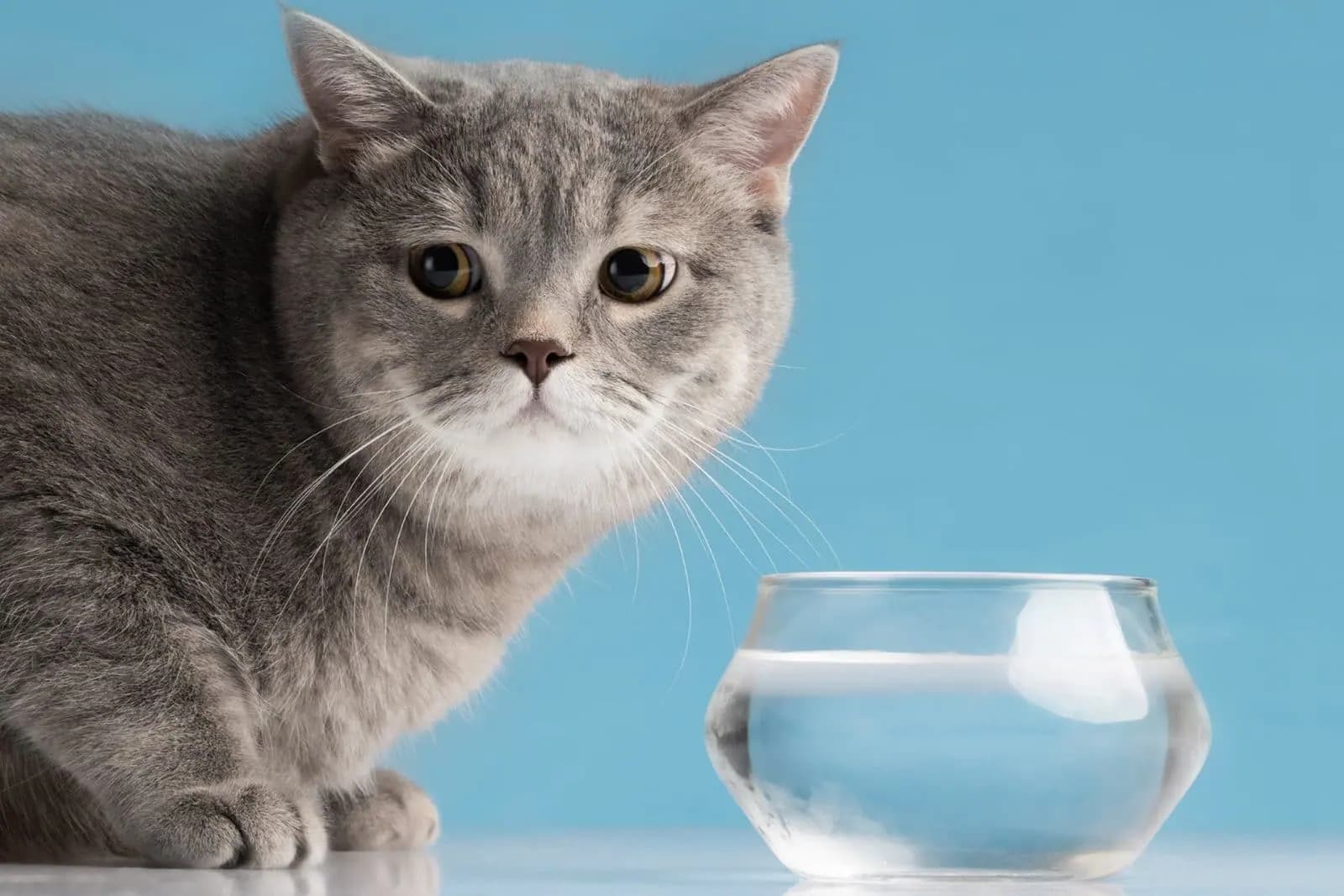
Preventing dehydration is not just about putting down a bowl of water. What matters is making it easy for your pet to drink of its own accord, and making it easier for us to notice any unusual changes.
Some simple but very useful habits
- Put several water bowls around the home: This makes water easy to reach in the areas where your pet spends most of its time.
- Change the water often, every day: Always make sure the water is clean and fresh.
- Choose the right spot for the water bowl: Keep it out of direct sunlight and not right next to the litter tray.
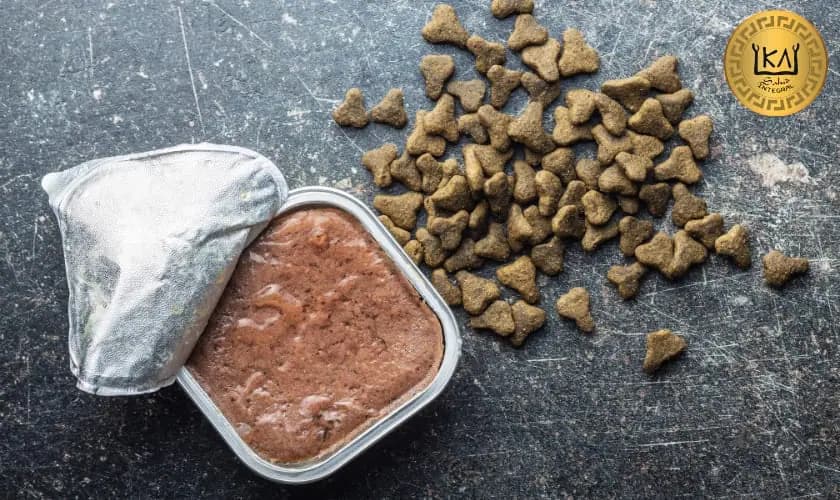
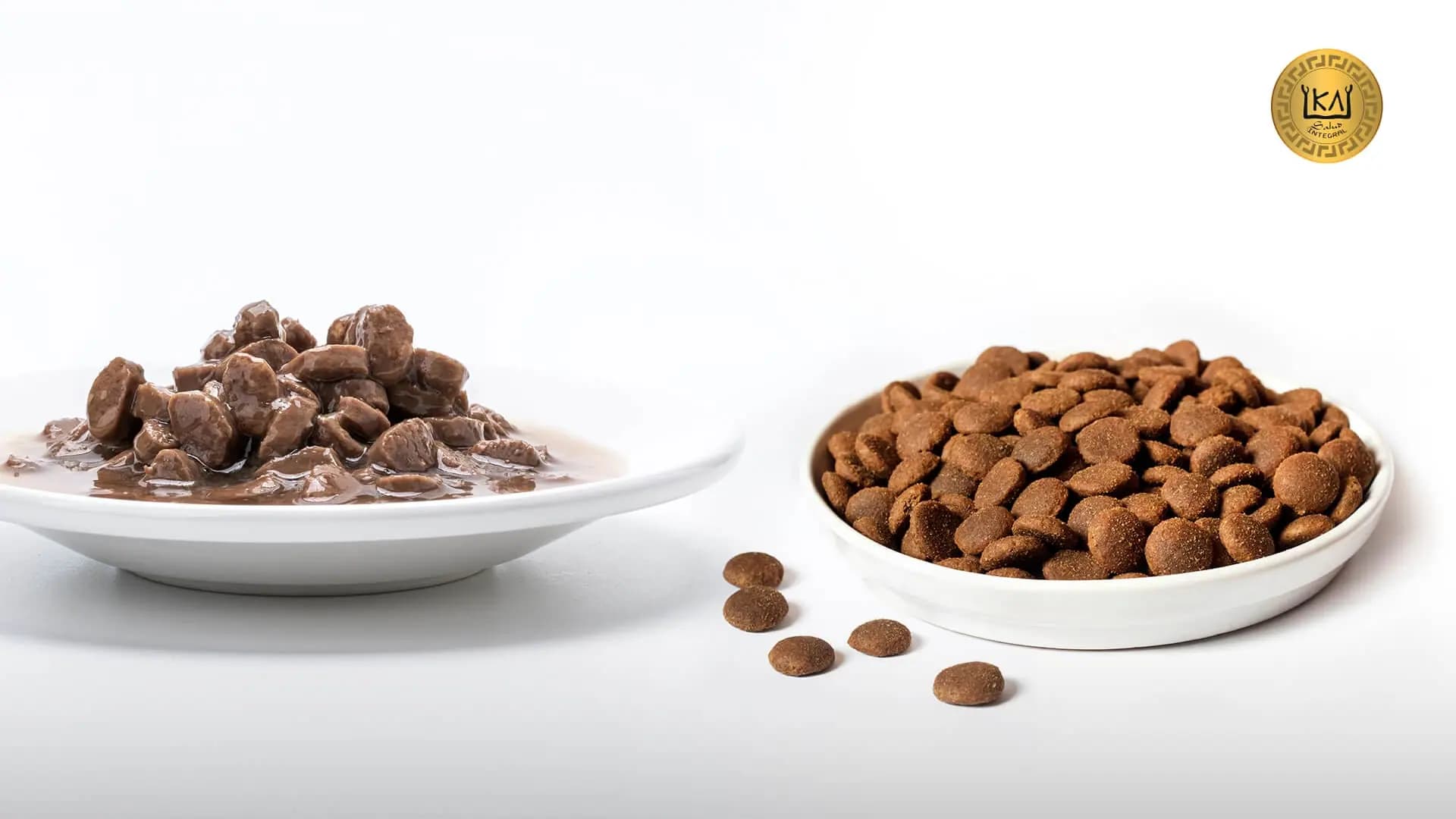
- Add wet food (pâté) to the daily diet: This increases the amount of water your pet gets through its food.
- Keep a closer eye on your pet in hot weather and when it is very active: Watch how much it drinks, its energy levels and any changes in behaviour.
- Monitor your pet more closely when it is vomiting, has diarrhoea or a fever: These conditions can make the body lose water quickly.
- Pay special attention to small changes in cats: Unlike dogs, cats tend to hide illness and may show no symptoms until it becomes serious, so even a small change in their daily habits can be a warning sign that they need a health check.
- Use an automatic water fountain: Cats often like to drink running water.